We studied what quietly breaks 401(k) plans. Then we built a firm to fix it.
A fee-only 3(38) fiduciary led by finance PhDs whose award-winning research exposed the fees, conflicts of interest, and design flaws that erode retirement outcomes — now put to work for your plan and your people.
Why We Exist
The 401(k) industry runs on claims. We deal in evidence.
Nearly every advisor calls themselves independent, transparent, and focused on employees. We spent our academic careers documenting where retirement plans actually go wrong — and it is rarely where the sales deck points.
Fees hide in plain sight
Costs buried in share classes, revenue sharing, and administrative arrangements compound quietly across a career. Our published research mapped how — and who pays.
Conflicts
When the parties choosing funds are paid by those funds, menus can tilt away from participants. We documented how those conflicts track to higher fees and lower net returns.
Behavioral biases
Employees are prone to predictable biases when investing in their retirement plans. Our contributions to the behavioral finance literature help illuminate these tendencies — and as educators, we help participants recognize them and limit their drag on long-term outcomes.
Our Approach
Proof, not promises.
The same rigor that earned our research recognition in top finance journals is the rigor we bring to your plan. Here is what that looks like in practice.
Research-driven
We are academics turned practitioners. Our recommendations trace to peer-reviewed evidence — not a product shelf or a revenue arrangement.
3(38) fiduciary
As an ERISA 3(38) investment manager, we take on selecting and monitoring your plan’s investments — and the responsibility that comes with those decisions. You keep the simpler duty of choosing and overseeing us.
Independence
Fee-only. True open architecture. No commissions, no revenue sharing, no proprietary funds, and no recordkeeper dictating your default investments.
Education
We are career educators. Throughout the year we provide clear, practical educational resources for participants — and, when an employer wishes, we can add live or webinar-based sessions led by us. Real guidance, not a login employees forget by lunch.
Fees as a discipline
We will not claim to be the cheapest — that is a race, not a standard. But plan fees have been at the center of our research for over a decade: how they hide, how they compound, and how they reduce what employees ultimately retire with. We bring that same scrutiny to your plan, and we advocate for sponsors and participants alike — because reasonable, transparent fees are a fiduciary duty, not a talking point.
The Research
This isn't marketing. It's peer-reviewed.
No other advisory firm we know of is led by PhDs with published, award-winning research in this exact corner of retirement investing. It is the one thing a competitor cannot copy.
Investment fees, net returns & conflicts of interest in 401(k) plans
How conflicts of interest among plan providers track to higher fees and lower net returns for participants.
Administrative fees in defined contribution plans
Why administrative costs are economically significant — and how fee reimbursements should flow back to the plan.
Alphabeticity bias in 401(k) investing
A significant contribution to the behavioral finance literature on the investor biases that shape how participants choose investments in 401(k) plans.
Menu simplification for portfolio selection
A systematic way to reduce menu overload without sacrificing risk-return opportunity for participants.
Recognized with best-paper awards and featured in the WSJ, USA Today, Pensions & Investments, the Financial Times, CNBC Squawk Box, and WSJ Your Money Briefing. Awards recognize academic research contributions and are not indicative of investment performance.
Who We Are
The researchers are the people managing your plan.
At most firms, the experts who publish the research are far removed from your account. Here, they are the same people building and monitoring your plan.

Thomas Doellman, PhD
Co-Founder
Professor of Finance, Saint Louis University
Professor of Finance at Saint Louis University, where he also serves on the investment committee for the university's endowment. His research on retirement plans and investing has been featured in The Wall Street Journal, USA Today, the Financial Times, Pensions & Investments, and on CNBC Squawk Box.
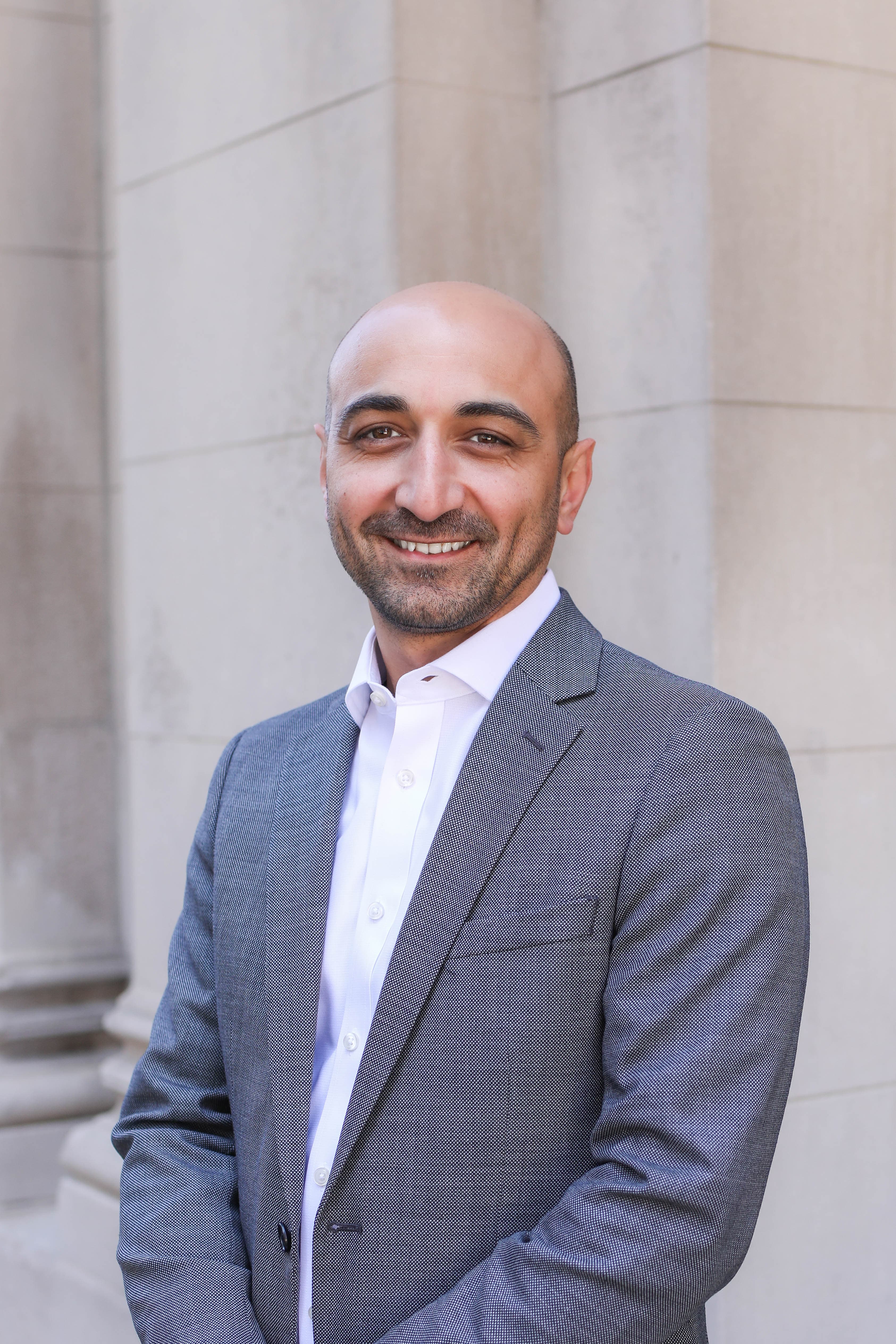
Sabuhi Sardarli, PhD, CFA
Co-Founder
Associate Professor of Finance and Associate Dean of Administration and Finance in the College of Business Administration at Kansas State University
Associate Professor of Finance and Associate Dean of Administration and Finance in the College of Business Administration at Kansas State University. His research on mutual funds, retirement plans, and corporate finance has earned multiple awards and been featured widely in the financial press.
A strong, well-run plan is also something your best people notice — but we start from what is right for participants, and let that speak for itself.
Clear About the Fiduciary Role
What a 3(38) actually does — and what it doesn't.
As an ERISA 3(38) investment manager, we assume discretion and responsibility for selecting, monitoring, and replacing your plan's investments, guided by a written Investment Policy Statement. That shifts the investment-decision responsibility to us.
It does not erase your role as a plan sponsor. You keep the duty to prudently choose and monitor the professionals you hire — including us. We will help you document that you have done exactly that, quarter after quarter.
3(38) Investment Manager
Discretion to select, monitor, and replace investments — and liability for those decisions.
3(21) Investment Advisor
Recommends investments; the sponsor makes the final call and keeps that liability.
3(16) Plan Administrator
Handles day-to-day plan operations — a separate role from investments.
Roles as defined under ERISA. Source: U.S. Department of Labor (dol.gov).
Start with a conversation.
No pitch and no obligation — just a straightforward look at your current plan and where it could be stronger for you and your employees.
About 15 minutes · No jargon · No sales pressure